The $50 Billion Raw Leakage
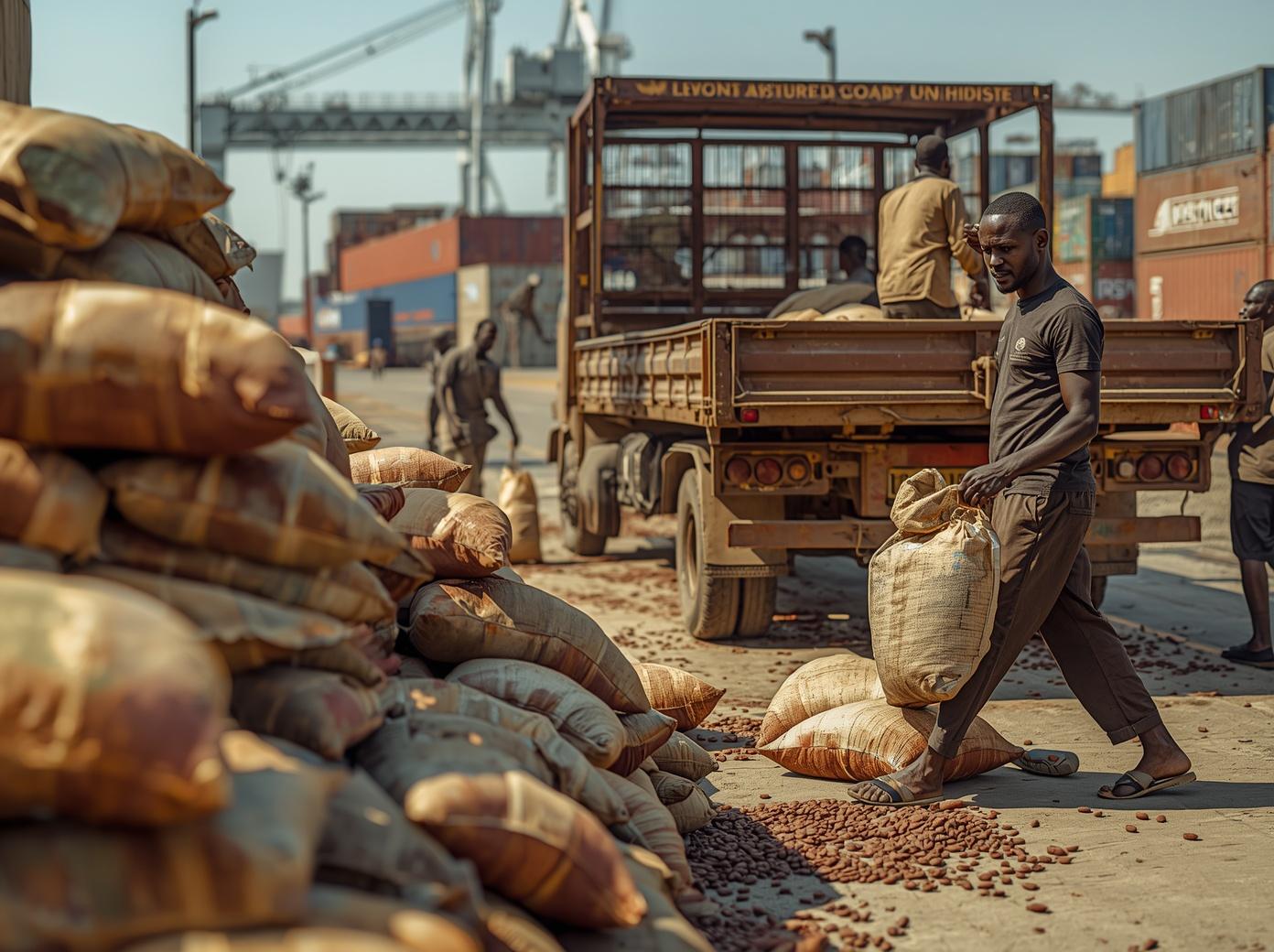
The most significant economic contradiction of 2026 remains the $50 billion annual food import bill across West Africa. This figure represents a profound “raw leakage” where primary resources are exported only to be purchased back as finished goods at a significant premium. For the sophisticated investor, this leakage is not merely a trade deficit; it is the single most accessible frontier for strategic arbitrage through the localization of the industrial value chain.
The current global trade architecture has historically prioritized the extraction of raw commodities, leaving the high-margin stages of processing, refining, and branding to external markets. This model is becoming increasingly obsolete as global inflationary pressures and shifting supply chain dynamics demand a more resilient, sovereign approach. Plugging this $50 billion leakage by shifting toward value-addition at the source is the cornerstone of the new industrial era connecting West Africa and the Caribbean.
The Engineering of Sovereign Value
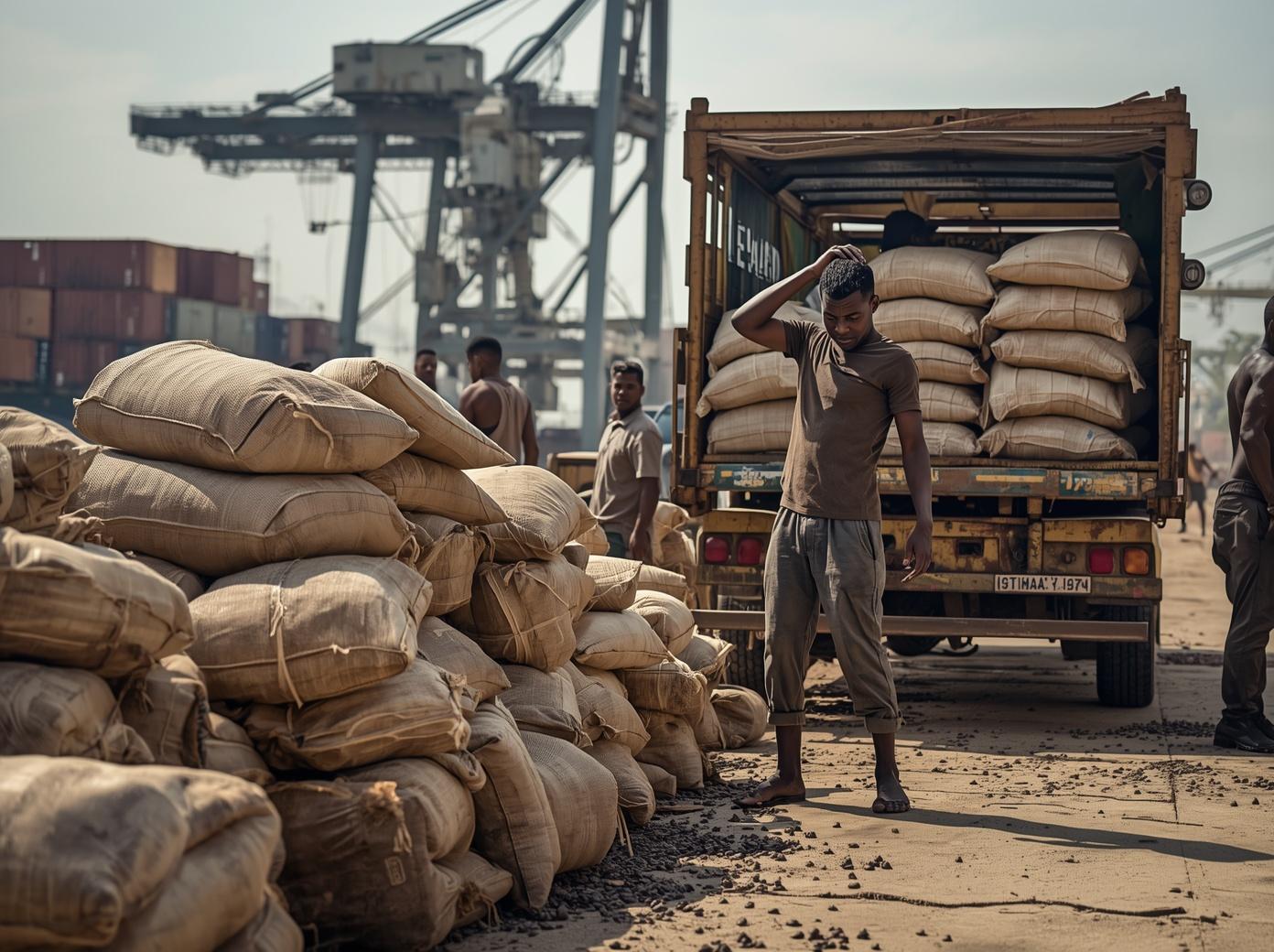
True economic sovereignty is achieved when a region controls the transformation of its own resources. When we move processing, packaging, and industrial manufacturing to the point of origin, we capture the significant margin that has traditionally leaked into foreign markets. This transition turns raw agricultural output into a stabilized industrial asset class, creating a more predictable and lucrative environment for diaspora capital.
The Renaissance Bridge framework addresses this by facilitating the transition from extraction to production. By focusing on sovereign processing zones, we are closing the loop on this multi-billion dollar paradox. This approach ensures that the wealth generated from the soil remains within the ecosystem, fueling local infrastructure and providing a verified, scalable model for international partnerships that prioritize long-term equity over short-term extraction.